
Bladder Surgery
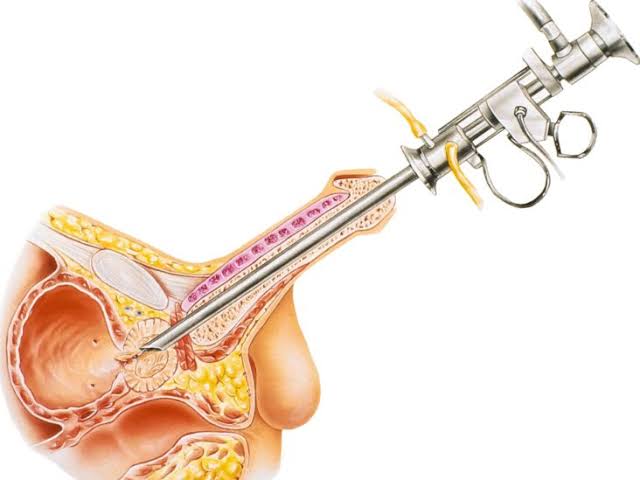
The procedure to remove the entire bladder is called a radical cystectomy. In men, this typically includes removal of the prostate and seminal vesicles. In women, radical cystectomy usually includes removal of the uterus, ovaries, fallopian tubes and part of the vagina.
Why it's done ?
Your health care provider may recommend cystectomy to treat:
Cancer that begins in or spreads to the bladder Irregularities in the urinary system present at birth Neurological or inflammatory disorders that affect the urinary system.
What type of cystectomy and reconstruction you have depends on many things, such as the reason for surgery, your overall health, and your preferences and care needs.
RisksCystectomy is a complex surgery. It involves the manipulation of many internal organs in your abdomen. Because of this, cystectomy carries with it certain risks, including:
- Bleeding
- Blood clots in the legs
- Blood clots that travel to the lungs or heart
- Infection
- Poor wound healing
- Damage to nearby organs or tissues
- Organ damage due to the body's overreaction to infection (sepsis)
- Rarely, death related to complications from surgery
- Dehydration
- Decline in kidney function
- Imbalance in essential minerals
- Vitamin B-12 deficiency
- Urinary tract infection
- Kidney stones
- Loss of bladder control (urinary incontinence)
- A blockage that keeps food or liquid from passing through your intestines (bowel obstruction)
- A blockage in one of the tubes that carries urine from the kidneys (ureter blockage)